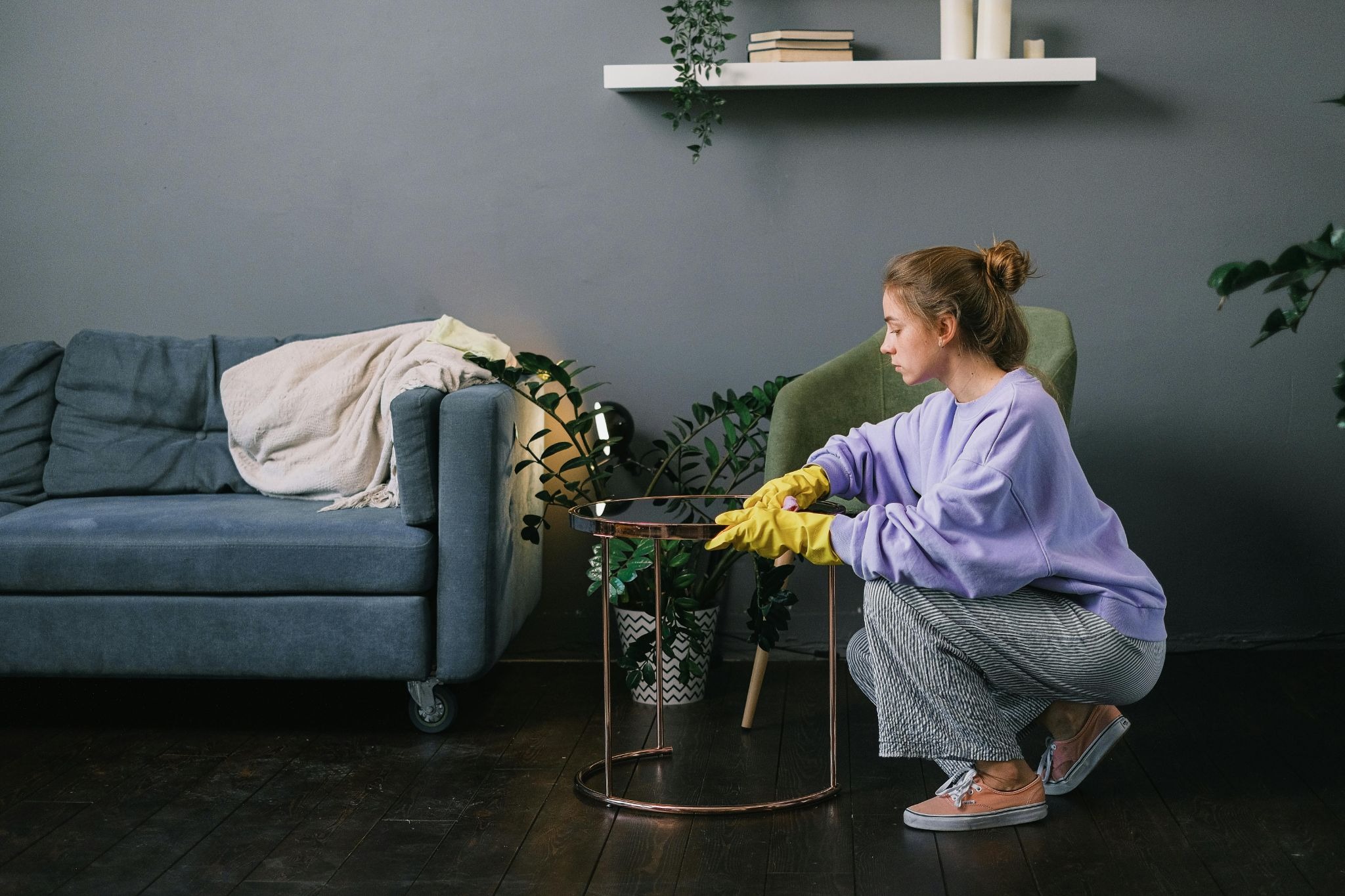
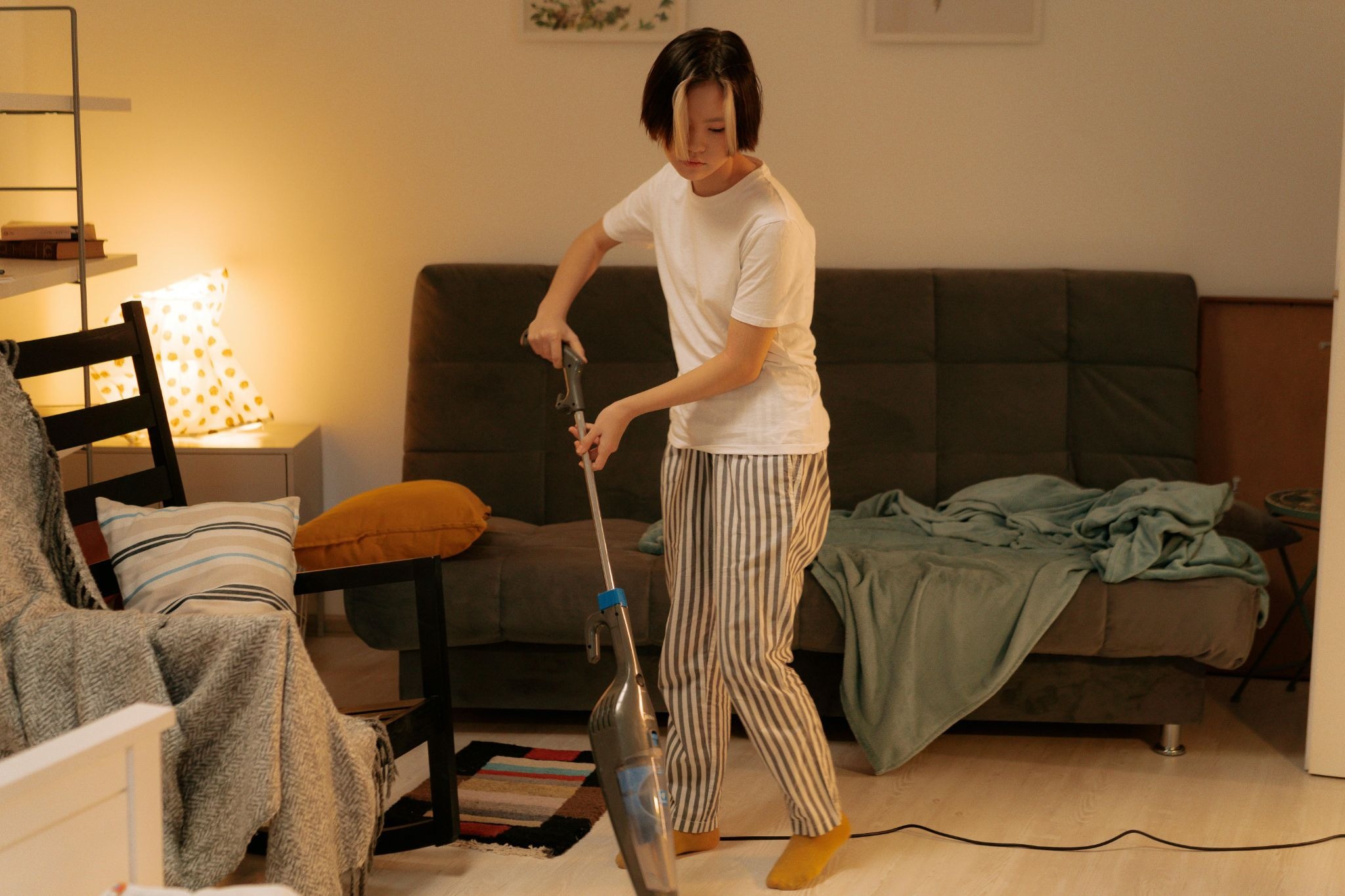
Not a lot of people think the fall season can bring sneezes and stuffy noses but it’s actually a quite popular season for allergies. While outdoor allergens like ragweed play a role, plenty of triggers can build up inside your home too. Dust, pet dander, mold, and dust mites can collect in bedding, carpets, vents, and on everyday surfaces.
The good news is that regular cleaning can help. Wash bedding weekly in hot water, vacuum with a HEPA filter, change your HVAC filter, and keep indoor humidity between 30% and 50%. This guide from Busy Bee Cleaning Company covers simple ways to reduce common fall allergens and keep your home feeling cleaner and more comfortable.
What Causes Fall Allergies Indoors?
Fall allergies can be triggered by small particles floating around your home, including dust mites, pet dander, mold spores, and pollen brought in from outside. When the weather gets colder, you close the windows, turn on the heat, and spend more time indoors, which can cause these allergens to build up.
Your HVAC system can also circulate dust and dander throughout the house. The good news is that keeping these areas clean and sticking to a regular fall cleaning routine can go a long way toward reducing allergens and making your home more comfortable.
How Do You Get Rid of Dust Mites in Fall?
Dust mites are tiny pests that live in places like mattresses, pillows, and upholstered furniture. They thrive in warm, humid conditions, and their waste can trigger indoor allergies.
To help keep them under control, wash your bedding weekly in hot water, ideally around 130°F or higher, and consider using allergen-proof covers on your mattress and pillows. Keep bedroom clutter to a minimum since fabric and paper can collect dust, and use a damp cloth when dusting instead of a dry one that can send particles into the air.
Since you spend so much time in your bedroom, keeping it clean can make a noticeable difference.
How Do You Reduce Pet Dander at Home?
Pet dander, or tiny flakes of skin shed by cats, dogs, and other furry pets, can easily collect around your home and trigger allergies. It can stick to carpets, furniture, clothing, and even stay in the air for hours.
If you have pets, vacuum regularly with a HEPA-filter vacuum, bathe and groom them often, and wash their bedding each week. Keeping pets off beds and sofas can also help limit buildup. Even if you’re not allergic to your pet, keeping dander under control can make other allergy symptoms easier to manage.
Why Should You Change Your HVAC Filter in Fall?
Your HVAC system moves air throughout your home, which means it can also spread dust and pet dander. A dirty filter won’t catch these particles as well, allowing them to circulate through your rooms. Fall is a good time to replace your filter and clear out the buildup from summer.
Try to change your filter every one to three months, especially during heavy-use seasons. A higher-efficiency filter can also help capture smaller particles. If you notice dust coming from your vents, it may be worth having your ductwork checked. A clean filter can improve your indoor air while helping your HVAC system run more effectively.
Does Vacuuming With a HEPA Filter Really Help Allergies?
Absolutely. A vacuum with a HEPA filter can capture very small particles like dust mite waste, pet dander, and pollen, while a standard vacuum may push some of these particles back into the air.
For the best results, vacuum carpets and rugs at least twice a week, moving slowly so the vacuum can pick up more dirt and allergens. Don’t forget furniture, curtains, and areas under your furniture. If you have a lot of carpet, a professional deep cleaning in the fall can also remove buildup that regular vacuuming may miss.
How Does Humidity Control Prevent Mold and Allergens?
Too much moisture in your home can create the perfect environment for dust mites and mold, both of which can contribute to allergy problems. Keeping indoor humidity between 30% and 50% can help keep these issues under control.
If certain areas of your home feel damp, use a dehumidifier and run exhaust fans in the kitchen and bathroom. Fix leaks as soon as you notice them, and consider using a simple hygrometer to keep an eye on humidity levels. Condensation on windows or a musty smell can also be warning signs that there’s too much moisture and a higher risk of mold growth.
How Do You Prevent Mold in Your Home During Fall?
Mold can be a major source of indoor allergens, and damp fall weather can create the right conditions for it to grow. It often shows up in bathrooms, basements, around windows, and other areas where moisture collects.
Keep bathrooms clean, dry wet surfaces after showers or cooking, and check window sills for condensation. Good ventilation can also help keep moisture under control. If you find a larger mold problem, it’s best to deal with it quickly since mold can spread if left alone.
Keep Your Home Fresh All Season Long
Reducing fall allergies is really about staying consistent. Wash your bedding, vacuum regularly with a HEPA filter, change your HVAC filter, keep humidity in check, and watch for mold. These simple steps can help cut down on the dust, pet dander, and other allergens that build up around your home.
Fall cleaning is also a great way to get your home ready for the colder months, especially as you’ll be spending more time indoors. If keeping up with it all feels like too much, Busy Bee Cleaning Company can handle the deep cleaning for you. Reach out today for an instant estimate and enjoy a cleaner, more comfortable home this fall.